

Hop to it: make sure your Easter tasks include looking after the bunnies and their furry friends
By Nub News Reporter 2nd Apr 2026
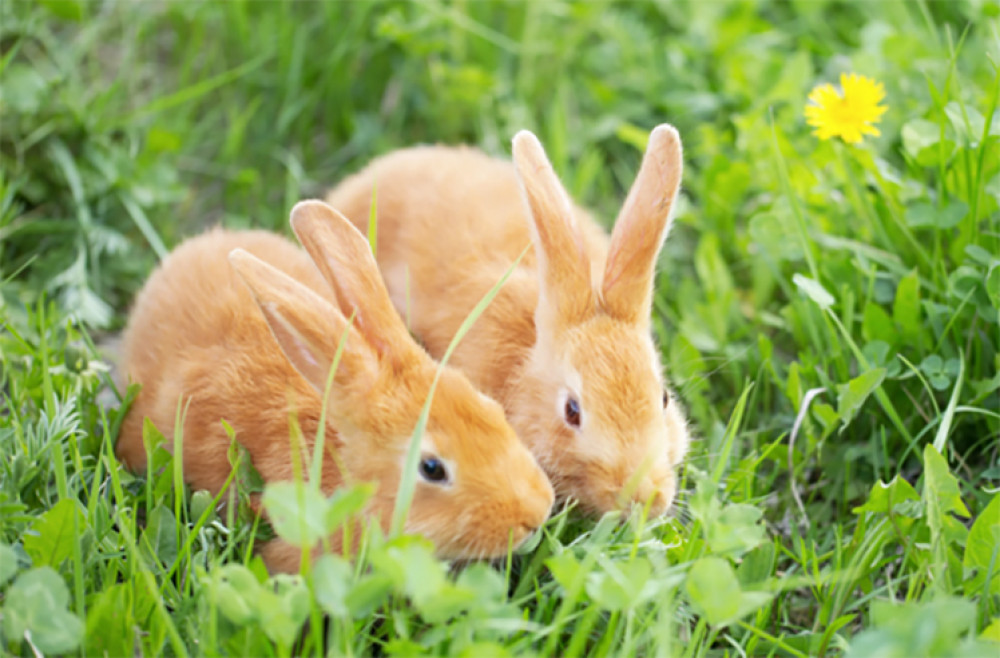

Spring Tips For Small Pets
As the first signs of spring are starting to appear, in conjunction with Vets for Pets Thurrock, we've put together some tips and advice to ensure that you and your small furry can make the most of spring.
Although beautiful to look at, not all plants taste as good as they look and most shouldn't be eaten at all. It is important that you are aware of the main plants that could be harmful to your grazing pets such as guinea pigs, either eaten in the garden, or as part of spring bouquets inside.

These are some of the more common spring plants that your small animals could come into contact with, indoors or out:
- Ivy
- Cyclamen
- Buttercups
- Rhubarb
- Garlic
- Foxglove
- Iris
- Dahlias
- Chrysanthemum
- Tulips
- Crocus
- Daffodils
- Hyacinth
If your pet does eat any of these plants they will quickly show signs of not feeling well. Some of the common indicators that your pet has ingested one of these plants are:
- Appetite loss
- Lethargy or weakness
- Diarrhoea
- Abdominal pain or tenderness
- Severe dehydration
Severe poisoning can result in twitching, fitting or tremors, collapsing or fatal paralysis. Many of these plant are also
Preventing Problems
For grazing small furries such as guinea pigs, watch out for where they are free to roam. Keep them clear of any dangerous plants, and make sure they only have access to safe areas. When bringing in foods from the garden, make sure nothing poisonous has become caught up in your offerings.
Download our Nub News App!
- It’s FREE and available now- Breaking news notifications
- Your Town in Your Pocket


If your small animal shows any of these signs after coming in contact with or eating any of these (or any other plant) you should contact your local vet immediately.
Diet Change
Spring is lovely, as you often get the opportunity to get your grazing small furries back out onto the grass – this is excellent for their digestive and mental health, and seeing them happily squeaking away is great for you too! Like with any change, however, this should be done gradually as a sudden change in diet for any pet can cause tummy troubles.

For indoor small furries, such as hamsters, you may be offering a wider selection of vegetables and occasional fruit as more seasonal options become available. Feeding a variety is great for nutritional value and mental stimulation but, again, rapid change can be a problem for the digestive system.
Preventing Problems
New fresh spring grass can be particularly rich for small tummies and you should introduce guinea pigs to it gradually. Follow the steps below for a safe and slow introduction to spring grass:
- Make sure that you give them something to eat before they go out onto the grass. This will fill them up and should prevent them eating too much
- Be aware of the intake of grass, keeping it low initially. You can do this by either limiting the time that they are on the grass, starting with 10-15 minutes and increasing it gradually every other day. Monitor their droppings during this time. If the initial 15 minutes means that their droppings become soft, reduce the time to 10 minutes the next day, or by limiting the amount of available grass, so that they only have a certain sized section of grass to eat from
- Don't let them feed on damp or wet grass as getting wet increases the chance of them getting pneumonia
- Make sure that there is plenty of fresh, clean water available, either in a bottle or bowl
For indoor small furries, make sure any diet changes are done slowly. Introduce new types of food over several days, starting with a very small piece.

Spring Cleaning
Spring is often a time for a home re-vamp, and cleaning products, paints and solvents may start to appear around the house. Our indoor small furries can be very sensitive to fumes, and if these substances are inhaled or ingested they can be easily poisoned.
Preventing Problems
Moving pets into another room while cleaning and decorating will keep them away from potentially harmful chemicals and fumes. Opening windows and doors can help disperse chemicals, but especially for caged small furries moving them away completely is best as they do not have the option to escape themselves if they feel unwell.
Shedding
Hamster coats can look thinner at this time of the year. Syrian and Russian hamsters tend to shed most in spring and autumn when the temperature and season starts to change. This shedding is normal, but can worry some owners. This shedding should cause your hamster no distress at all.
Preventing Problems
Although shedding is normal in the spring, you should always monitor your hamster's hair coat and behaviour. If you notice ongoing or rapid skin changes, itching, or hair loss without regrowth, you should take your hamster to the vet for a check-up to ensure that there isn't anything underlying that could be causing a problem, such as mites.

With piles of grass after every lawn mow, it can be tempting to offer some of this readily available nutrition to your small furries. Sadly, although grass is a fantastic part of the diet for naturally grazing animals, cut grass is not good for any pet. The heat from the cutting process can set off fermentation – this continues in the digestive system, and can make your pet very ill.
Preventing Problems
Staying away from grass cuttings, and offering a variety of nutritious vegetables and leafy greens is the best way to give your small furry the best nutrition you can. For grazing animals, such as guinea pigs, getting them outside to have a 'mow' for themselves will provide exercise, mental stimulation and be great for their teeth and tummy health.
Download our Nub News App:
- It’s FREE and available now
- Breaking news notifications
- Your Town in Your Pocket

Share: