After years of dereliction and failure, council has to act on damp in its properties
By Nub News reporting team based on source material from LDRS reporter Christine Sexton. 2nd Jan 2026
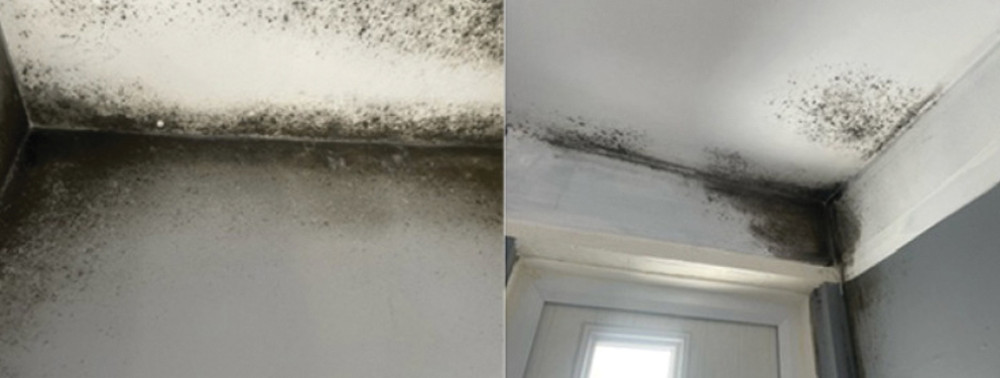

THURROCK Council has carried out more than 2,000 treatments for damp and mould in its homes over the past year, as part of preparations for new legal duties introduced under Awaab's Law.
The legislation, named after two-year-old Awaab Ishak who died in 2020 from prolonged exposure to mould in his family's social housing flat, was brought in under the Social Housing (Regulation) Act 2023.
It requires landlords to investigate and fix hazards such as damp and mould within strict timeframes, with emergency cases addressed within 24 hours.
For more than seven years Thurrock Nub News has consistently highlighted the problems of damp in council properties, which has been debated for more than two decades, with very little positive action across the borough. Last January we produced this damning report: https://thurrock.nub.news/news/local-news/the-blight-goes-on-new-year-but-same-old-problems-with-damp-and-mould-as-residents-tell-of-the-shocking-state-of-their-homes-216568

The report before councillors next week says between August 2024 and July 2025, Thurrock Council treated damp and mould in 1,557 properties – around 16 per cent of its housing stock. A third of these cases were identified through customer satisfaction surveys, which ask tenants if there are any unreported issues following other repairs. This proactive approach generated 546 new jobs to tackle previously undisclosed problems.
Condensation remains the leading cause of mould in council homes, particularly in bathrooms, kitchens and around windows.
Older, poorly insulated properties are most at risk, with everyday activities such as cooking and drying clothes indoors contributing to moisture build-up.
Download our Nub News App!
- It’s FREE and available now- Breaking news notifications
- Your Town in Your Pocket


Under Awaab's Law, landlords must investigate significant hazards within ten working days and complete repairs within five days of inspection. Emergency hazards must be resolved within 24 hours, and tenants may be temporarily rehoused if necessary. Councils must also provide residents with a report within three days of completing work.
Thurrock Council says it has introduced clearer response times, enhanced resident engagement, and structured follow-up visits at one, three and six months after treatment to prevent recurrence.
It adds dedicated resident liaison officers will act as a single point of contact for affected tenants.

The council is also piloting the installation of 200 ventilation units at an estimated cost of £250,000. Spending on damp and mould repairs is forecast to rise to £300,000 in 2026/27 to meet the new requirements.
The report to the place overview and scrutiny committee, which will meet on Tuesday (6 January), said: "The introduction of Awaab's Law will be considered by the council as part of its responsibilities in reducing the risk of damp and mould.
"Phase 1 of the law came into force on October 27, 2025, requiring social landlords to address emergency and damp/mould hazards within specific timeframes.
"The law will focus first on damp and mould before covering further housing hazards from 2026."

Tuesday's meeting will also see a review of the recent damning peer review of social housing in Thurrock, which the ruling cabinet nodded through at a meeting last month without any of the scrunity that should have taken place under the authority's constitution. The issue was highlighted by independent councillor Neil Speight who has 'called in' the report for more review.
Download our Nub News App:
- It’s FREE and available now
- Breaking news notifications
- Your Town in Your Pocket

Share: