Leading planning councillor speaks out in protest as government gives direct responsibility for most planning decisions to officers
By Nub News Reporter 6th Nov 2026
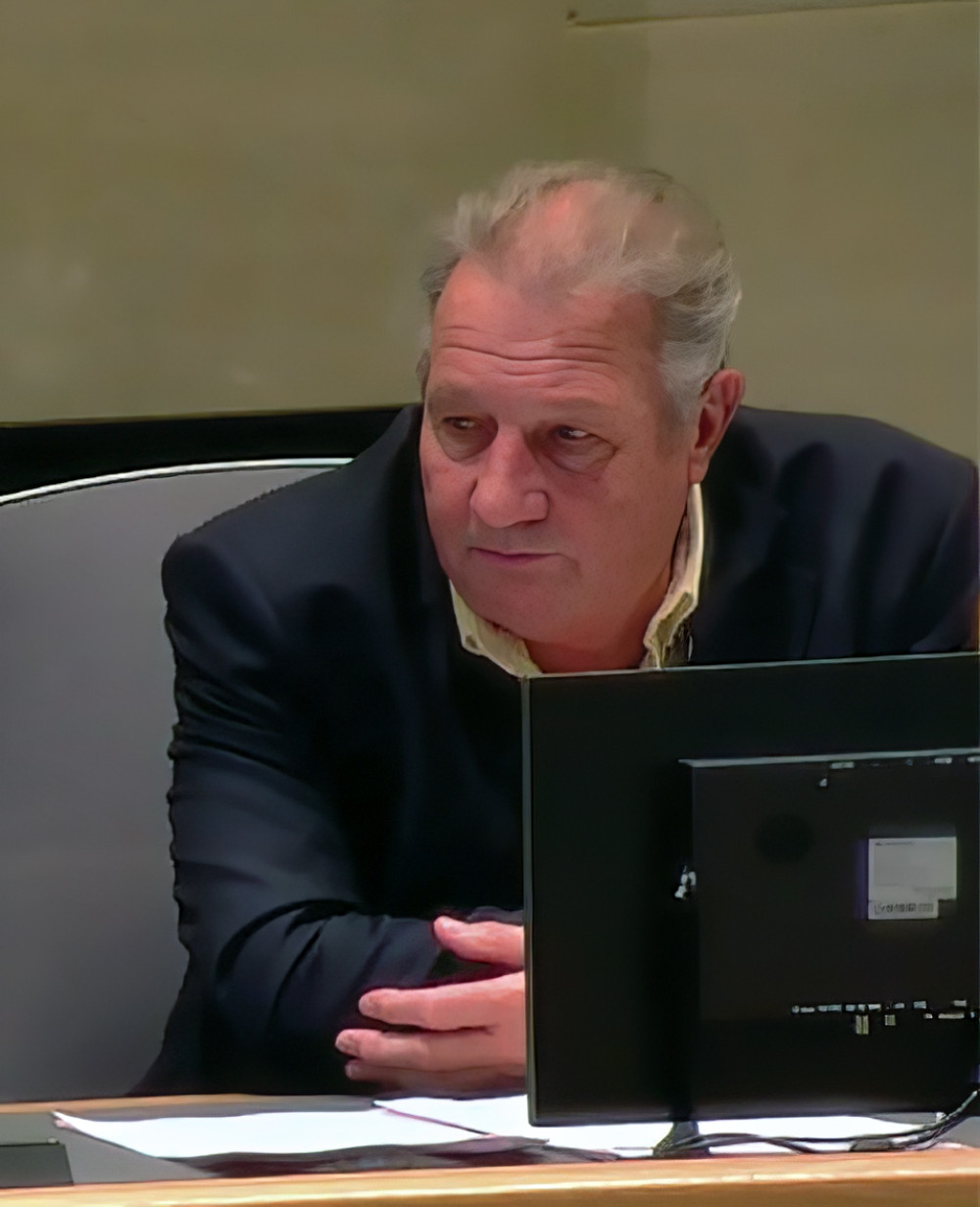

THE recently-appointed chairman of Thurrock Council's planning committee has condemned government policy which he says has taken power from local people to protect their environment.
Cllr Steve Taylor, a former non-voting member of Thurrock Council's planning committee who was a vehement opponent of most green belt development in the borough in his role as local representative for the Campaign for Protection of Rural England (CPRE), was elected to the council in May this year, to represent the Orsett ward.
He remained on the planning committee as its vice chairman and last month became its chair.
It is unusual for a member of the planning committee, particularly those who are post-holders, to comment outside its meetings as the planning role is expected to be neutral, but Cllr Taylor has taken centre stage in a release today (Friday, 6 November) from the council's ruling Reform group.
The statement says: "Since taking office, the Labour Government has introduced two major changes to England's planning system that, taken together, significantly reduce local influence over development decisions.
"The introduction of the "Grey Belt" policy allows developers to build on certain areas of Green Belt land, provided they meet conditions including the delivery of so-called "affordable housing".
"While increasing housing supply is important, the policy makes it harder for councils and residents to protect countryside from overdevelopment.
"A second reform, the new National Scheme of Delegation, became mandatory on 1 November 2026. It means most planning applications, including many major developments, will be decided by council officers rather than elected councillors at Planning Committee.
Download our Nub News App!
- It’s FREE and available now- Breaking news notifications
- Your Town in Your Pocket


"The opportunity for residents to have their concerns heard directly by their local councillors is being seriously undermined by this Labour government."
Cllr Taylor said: "Together, these changes represent a serious loss of local democratic influence over planning decisions.
"For Thurrock, already facing major infrastructure pressures, including the Lower Thames Crossing that Labour has given the green light to, the implications are particularly concerning.
"Residents deserve a meaningful say in decisions that will shape their communities for generations. Instead, the government are severely curtailing local democratic accountability and substantially weakening residents' ability to influence decisions affecting their communities.
"Andy Burnham talks a good game about devolving power and decision-making to local communities, yet once again we have a Labour Prime Minister whose actions are completely at odds with his words."
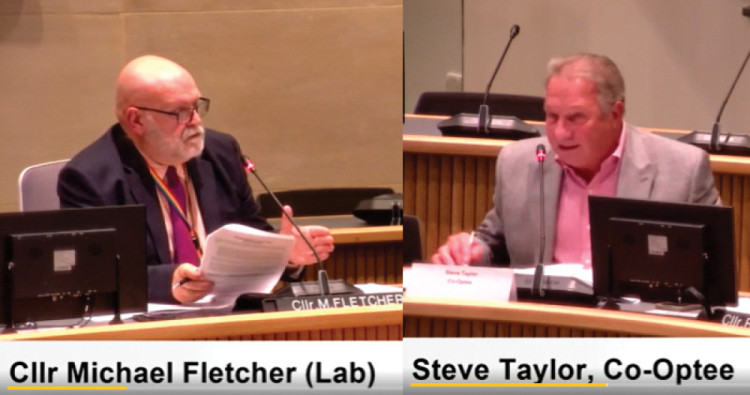
Cllr Taylor, particularly in his CPRE role, regularly became a thorn in the side of developers, bringing articulate and often passionate argument against many land grabs in the countryside.
So much so, in a story exclusively revealed by Thurrock Nub News in March this year he and the then chair of planning - former Labour councillor Michael Fletcher - were the subject of secretive attacks and threats by developers after they expressed opposition to a particular green belt development.

Major developer Barratt David Wilson Homes (BDW), in secret correspondence with officers who backed a scheme Mr Taylor had opposed, made false accusations against him, alleging: "Mr Taylor who spoke for a total of 40 minutes over the course of the proceedings, suggested reasons for refusal which is outside the remit of a non-voting member and we recall that he put his hand up to vote further influencing members."
Allegations of collusion between developers and officers to push through green belt development in Thurrock are long-running and significant in number. The planning committee has always been seen as a chance for local people to have a say through elected members. Much of that capability has now been removed and officers appear to have the whip hand, rather than democratically-elected councillors.
What applications will have to be delegated?
Schedule 1 applications, which must be delegated to officers, include the following key types of applications:
- householder development
- minor commercial development
- minor residential development (which includes development of up to nine dwellings on sites below 0.5 hectares)
- section 73 applications where the related planning permission was a Schedule 1 planning permission
- reserved matters approval where the outline planning permission is for fewer than 500 dwellings or less than 50,000 square metres of floorspace
- discharge of conditions
- prior approval applications
- permission in principle
- non-material amendments
- section 106A applications where a planning obligation is connected to a Schedule 1 planning permission
- Biodiversity Gain Plans
- Certificates of Appropriate Alternative Development
- Certificates of lawfulness of existing/proposed use or development, and certificates of lawfulness for proposed works to listed buildings
What can still be referred to committee?
Schedule 2 captures the larger, strategic and more sensitive categories of application, including:
- planning applications which are not householder, minor commercial or minor residential applications
- section 73 applications where the related planning permission was a Schedule 2 planning permission
- reserved matters applications relating to large outline permissions (500+ dwellings or 50,000+ square metres of floorspace)
- section 106A applications where a planning obligation is connected to a Schedule 2 planning permission
- listed building consent (LBC) applications (including variation or discharge of conditions on an LBC, and S73 applications on planning applications connected to LBC applications)
- advertisement consents
- tree preservation order consents
However, even in these cases, the guidance makes clear that the overriding presumption is that such applications will be delegated to officers. Referral to committee should be the exception rather than the rule.
Download our Nub News App:
- It’s FREE and available now
- Breaking news notifications
- Your Town in Your Pocket

Share: