Inspector overules council and allows infill bungalow
By Naomi Greenaway - Local Democracy Reporting Service 27th Oct 2026
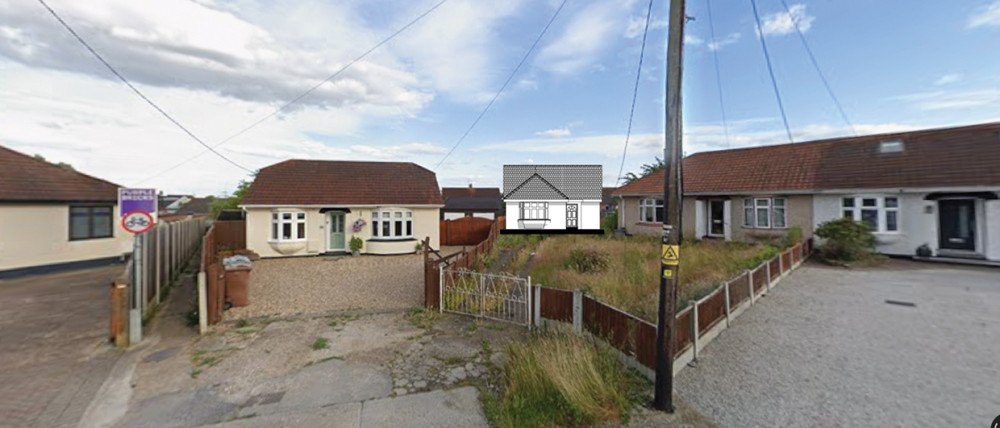

A THURROCK Council decision to refuse plans for a new bungalow in Corringham has been overturned on appeal, despite an inspector finding the development would cause "limited harm" to the surrounding estate.
Planning officers rejected plans in February for a two-bedroom bungalow on land next to Carisbrooke Drive, on the Frost Estate, after producing a report saying it would result in a development that would appear cramped in the street scene and out of character with the 'residential precinct' of the Frost Estate. They said it would amount to overdevelopment of the application site
But following an appeal lodged in April and a site visit last month, the Planning Inspectorate has now granted permission for the development, subject to conditions.
At the heart of the dispute was the impact another home would have on the Frost Estate, which is characterised by bungalows, generous plots and a spacious, low-density layout.
The inspector accepted the development would make the site feel less open and disrupt the symmetry of the cul-de-sac.

His decision found the bungalow would "moderately diminish" the estate's open and spacious character, causing limited harm to the appearance of the area.
However, he concluded that harm was not significant enough to justify blocking the development.
Download our Nub News App!
- It’s FREE and available now- Breaking news notifications
- Your Town in Your Pocket


Plans show the bungalow would be similar to neighbouring homes in its size, design and materials, while the inspector found it would not make the site appear excessively cramped.
He also found there would be no unacceptable impact on neighbours through loss of daylight, sunlight or privacy.
Residents had raised concerns about additional pressure on sewers, but the inspector said there was insufficient evidence to show one additional property would have a severe impact.
A key factor in the appeal was Thurrock Council's admission that it could not demonstrate a five-year supply of housing land.
The inspector gave substantial weight to the benefit of providing another home in a sustainable location.
He said the two-bedroom bungalow would contribute towards demand for smaller homes while also providing accessible accommodation.
The development would also make more efficient use of underused land and provide employment during construction.
He ultimately concluded the benefits were not "substantially outweighed" by the identified harm and allowed the appeal.

Conditions require construction to begin within three years and a construction management plan to be approved before work starts.
Download our Nub News App:
- It’s FREE and available now
- Breaking news notifications
- Your Town in Your Pocket

Share: