
Death of whale is confirmed
By Nub News Reporter 19th Sep 2026
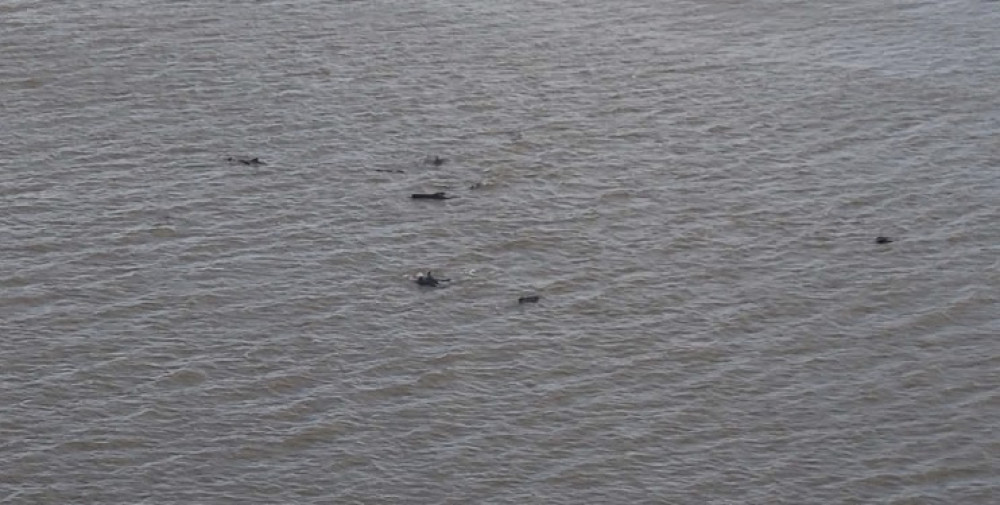

THE death of one of a pod of Pilot whales in the Thames estuary in Thurrock has now been confirmed
A statement from the British Divers Marine Life Rescue (BDMLR) says: "Last night the separated whale that was further inland and suspected to be unwell was reported in the shallows in the vicinity of East Tilbury.
"Kent Fire and Rescue Service, Coastguard and Port of London Authority teams attended along with BDMLR responders where they located two whales, one deceased and one alive.
"The live animal refloated on the incoming tide after dark and went out to deeper water where it could rejoin the rest of the pod further away.
"The deceased whale was a female measuring approximately 3m, which is around the length for maturity and it is possible that a debilitated member of the pod is the reason for the animals to have come into this unusual situation.
"The body is being recovered for a post mortem examination with our colleagues at the Cetacean Strandings Investigation Programme."
Yesterday (Friday, 18 September) Thurrock Nub News reported on the situation, saying that BDMLR and the Port of London Authority were continuing to coordinate monitoring of the pilot whale pod in the estuary.
This was our report:
Download our Nub News App!
- It’s FREE and available now- Breaking news notifications
- Your Town in Your Pocket


Yesterday (Thursday, 17 September) Thurrock Nub News reported that the pod of an estimated two dozen whales, including calves, had been spotted off Coalhouse Fort at East Tilbury and later between Tilbury and Gravesend. Later in the day it was suggested they might have gone upstream as far as Purfleet.
Last night, Nub News reported direct from the Thames at Tilbury, where witnesses said they had seen the pod, likely to be closely bonded family, pass by and heading downstream. It was hoped they would reach open water and safety.
However, they were spotted again this morning. A Port of London Craft has been shadowing the pod, guiding passing boats and ships away from the cluster of animals that appear to be becoming increasingly tired and possibly disorientated.
They are also likely to be becoming hungry as they normally live in deep water and hunt for food on deep dives. The relatively shadow water of the Thames is far from their natural habitat.
It is extremely rare to see large pods of whales making their way inland and the consequences of a prolonged stay may be dire. Whales seen swimming in shallow or enclosed waterways are not necessarily in trouble, however they are at an increased risk of stranding from changing tides, vessel traffic and disturbance.
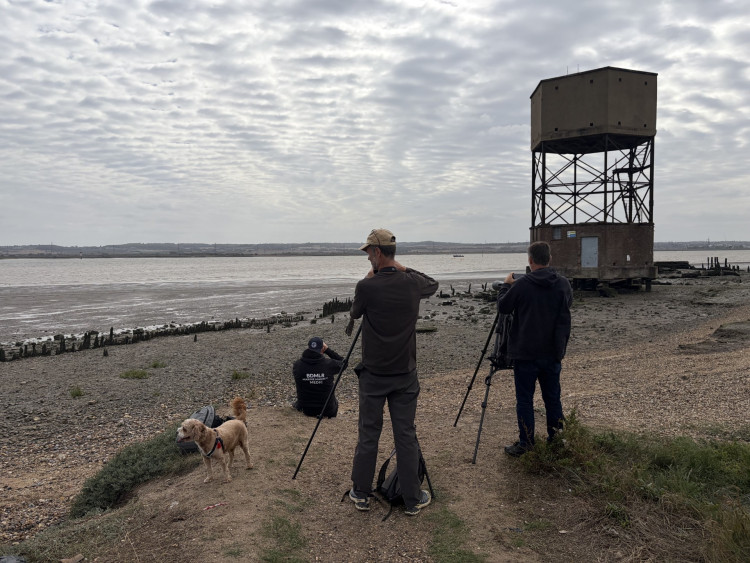
The whales' movements, behaviour and condition are being closely monitored by Marine Mammal Medics from the British Divers Marine Life Rescue organisation.
As a precaution, specialist whale rescue equipment is being prepared with support from neighbouring regional teams should the whales strand.

Download our Nub News App:
- It’s FREE and available now
- Breaking news notifications
- Your Town in Your Pocket

Share: