£3.8 million fine for borough chemicals company where man lost a leg and another was seriously injured by safety failings
By Nub News Reporter 24th Apr 2026

A THURROCK-based chemicals business has been damned for its lack of care that led to major injuries for two employees and has been fined £3.8 million.
Industrial Chemicals Limited (ICL), has been fined after two employees at two separate sites in the borough suffered serious chemical burns because of exposure to sodium hydroxide, commonly known as caustic soda.
In the most serious incident, an employee lost his leg below the knee. In the second, another employee sustained burns requiring skin grafts to heal.
Across both sites, the Health and Safety Executive (HSE) found a consistent failure to properly assess and control the risks associated with handling and containing hazardous substances.
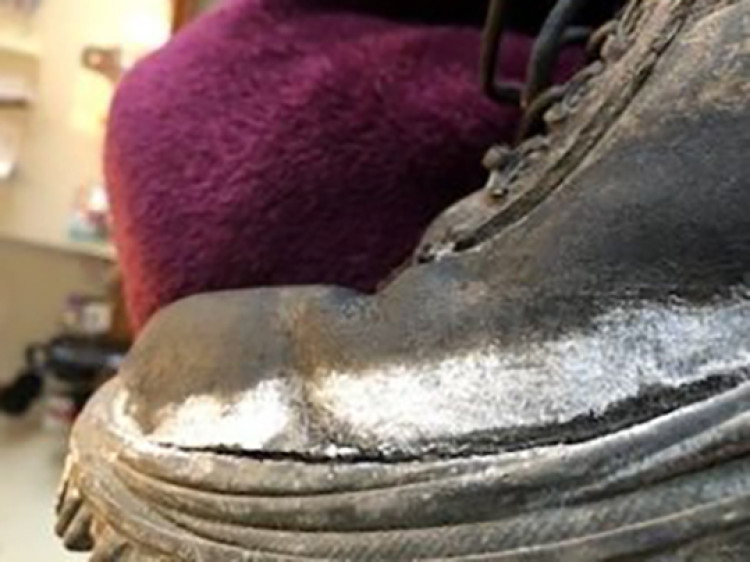
In December 2019 Michael Bartholomew, 60, a father of two and grandfather of seven from Grays was working as a chemical loader at ICL's site at Old Power Station, Stoneness Road, West Thurrock when he stepped into a puddle of liquid suspected to contain caustic soda.
The safety boots he had been provided with were not in good condition and did not provide adequate protection against the chemical — and had not been sufficiently tested against British Standards.
Mr Bartholomew sustained serious burns that resulted in his leg being amputated below the knee. He has not been able to work since.
Download our Nub News App!
- It’s FREE and available now- Breaking news notifications
- Your Town in Your Pocket


An investigation by HSE found multiple leaks of hazardous substances from pipework, valves, hoses and vessels across the site.
There was no suitable system for the inspection, maintenance and testing of pipework and equipment to prevent or reduce the likelihood of leaks in the area where Mr Bartholomew was walking. Systems of work did not account for spillages, there were inadequate controls for clearing them up, the ground around the boiler house was unmade — enabling puddles to accumulate — and there were insufficient designated or enforced walkways to direct workers safely across the site.
In a victim personal statement following the amputation, Mr Bartholomew said: "I felt that this was game over for me. I would not be able to work or support my family. I miss my work and my work colleagues.
"Losing my independence and work is a huge loss and I feel I have gone through a grieving process as my work life was such an important and integral part of my life.
"I used to go to track days and drive different cars, I cannot do any of these things anymore…I used to take my grandchildren out fishing, I used to play football with them in my back garden, I can't do any of these things with them anymore."
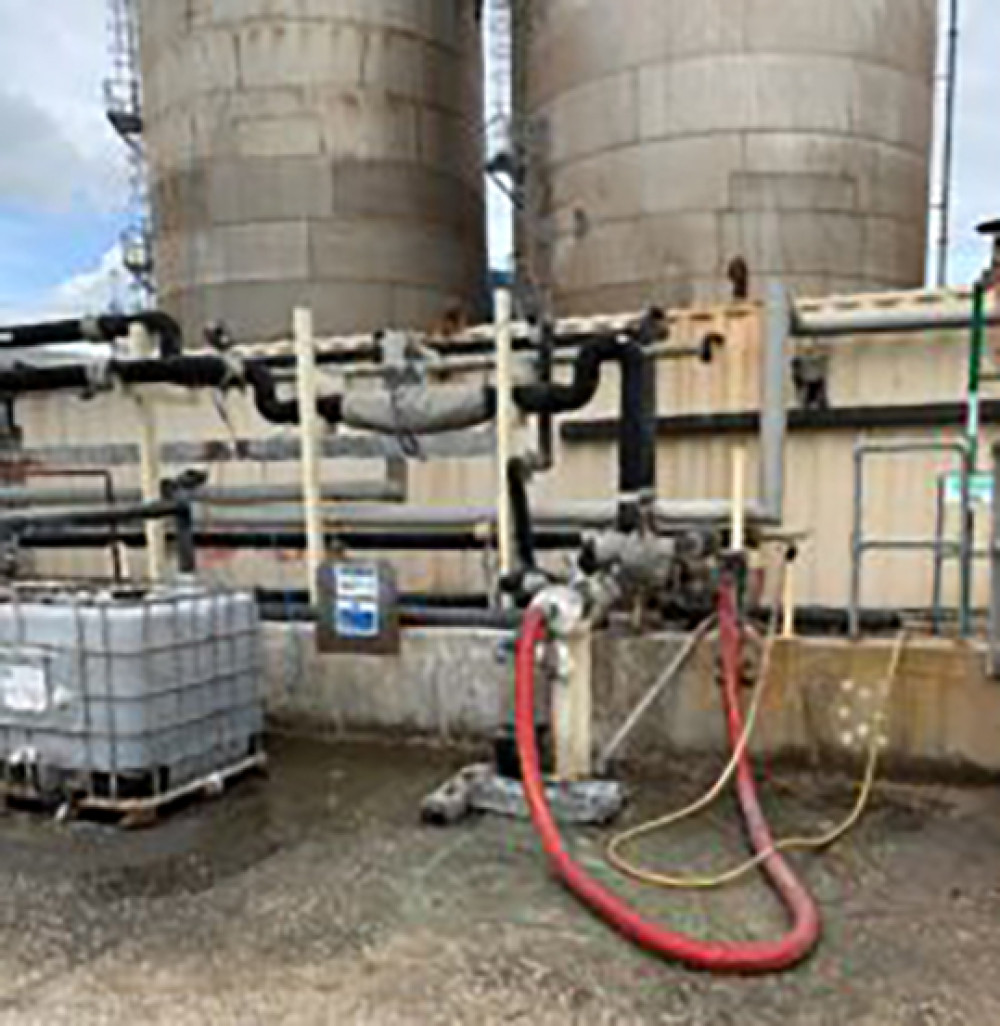
In the second incident in August 2022 at the Titan Works, off Hogg Lane, Grays an employee was manually decanting caustic soda at 50% concentration using a hose into 25-litre containers, in order to top up intermediate bulk containers to the required concentration.
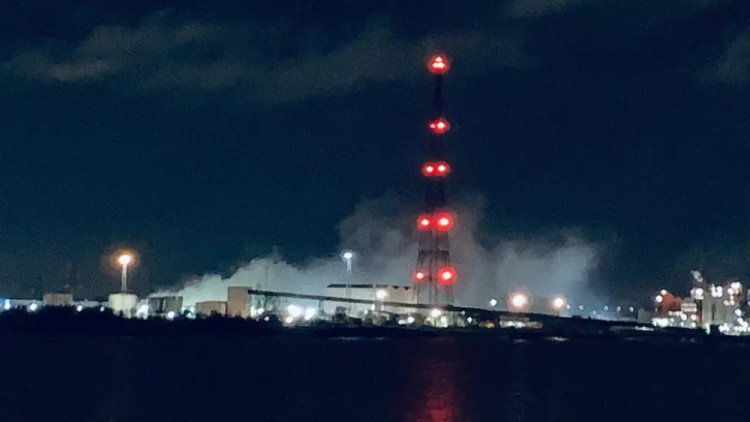
After completing the task three times, he noticed that drips from the hose had fallen onto his foot, causing burns that later required skin grafts to heal. He has since returned to work.

The HSE investigation found there was no risk assessment or documented safe system of work for this task. Investigators also found that it would have been possible to automate the process entirely by bringing back into service an existing automatic IBC dosing plant with fixed pipework and remote controls — removing the need for manual handling of caustic soda altogether.
Following the incident, the use of 25-litre containers was stopped, and IBCs were instead delivered to site already mixed to the required concentration, eliminating the risk entirely.
Sodium hydroxide, also known as caustic soda, is used in the manufacture of washing and cleaning products. It is a white, odourless solid at room temperature and is strongly alkaline. It has a strong corrosive action on all body tissue, causing burns and frequently deep ulceration.
HSE guidance is clear that employers must take reasonable steps to reduce workers' exposure to hazardous substances like caustic soda. The first priority is to prevent exposure altogether — for example, by changing how the work is done and making sure equipment and pipework are properly maintained.
If exposure can't be avoided, it must be properly controlled using good working practices. Personal protective equipment (PPE) should only be used as a last resort and not relied on as the main way to manage the risk.
Industrial Chemicals Ltd, of Jupiter House, Warley Hill Business Park, The Drive, Brentwood, pleaded guilty to two charges of breaching Regulation 7(1) of the Control of Substances Hazardous to Health Regulations 2002. The company was fined £3.8 million and ordered to pay costs of £124,748 at Southwark Crown Court on 21 April.
HSE Inspector Julia Gebauer said: "This was a company operating with significant volumes of a highly corrosive material but had manifestly failed to put proper measures in place to protect their workers and prevent exposure.
"The consequence was two separate incidents at two separate sites – one of which resulted in life-altering injuries – that pointed to a pattern of avoidable risks that Industrial Chemicals Ltd could and should have prevented.

"That Mr Bartholomew didn't have protective boots that were up to standard when he stepped in a puddle of caustic soda was only one of many failures that Industrial Chemicals Ltd have been held to account for.
"I hope the scale of the fine handed down brings some closure to the workers at the centre of this case and sends a clear message to employers that they must have proper plans in place to prevent their workers being exposed to danger."
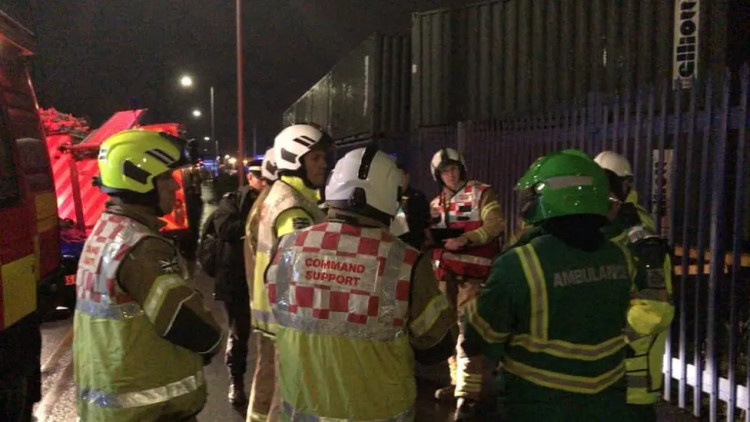
ICL is no stranger to saftey breaches amd in 2020 it received a £2.5 million fine after two chemical spillage incidents, one of which forced nearby schools to close. On 6 January 2020, there was an uncontrolled release of 300,000 litres of hydrochloric acid from three chemical storage tanks at the West Thurrock site.
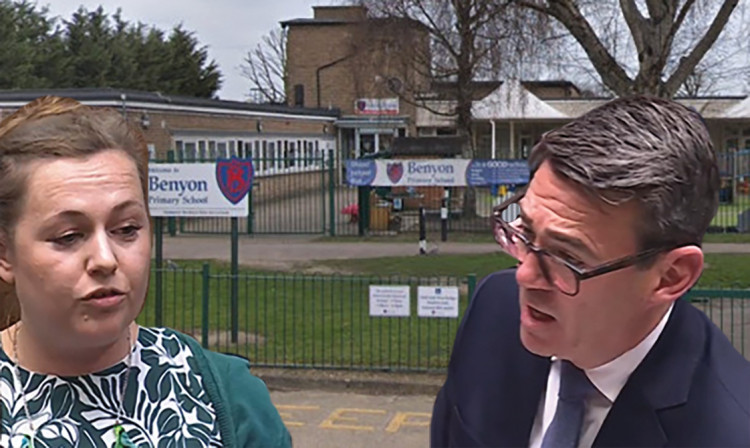
The toxic hydrogen chloride gas cloud created resulted in schools in the area closing and local residents being told to shut their doors and windows.
Less than nine months later, a crack in a pipe on the same site resulted in the release of 87,000 litres of sulphuric acid into the local atmosphere.
Related stories:

https://thurrock.nub.news/news/local-news/teams-work-to-dilute-chemicals-after-spill
https://thurrock.nub.news/news/local-news/schools-closed-in-wake-of-chemical-spillage
Download our Nub News App:
- It’s FREE and available now
- Breaking news notifications
- Your Town in Your Pocket

Share: