
Orsett homes plan is rejected as councillors and residents unite in objection
By Local Democracy Reporting Service and Neil Speight 9th Jul 2026
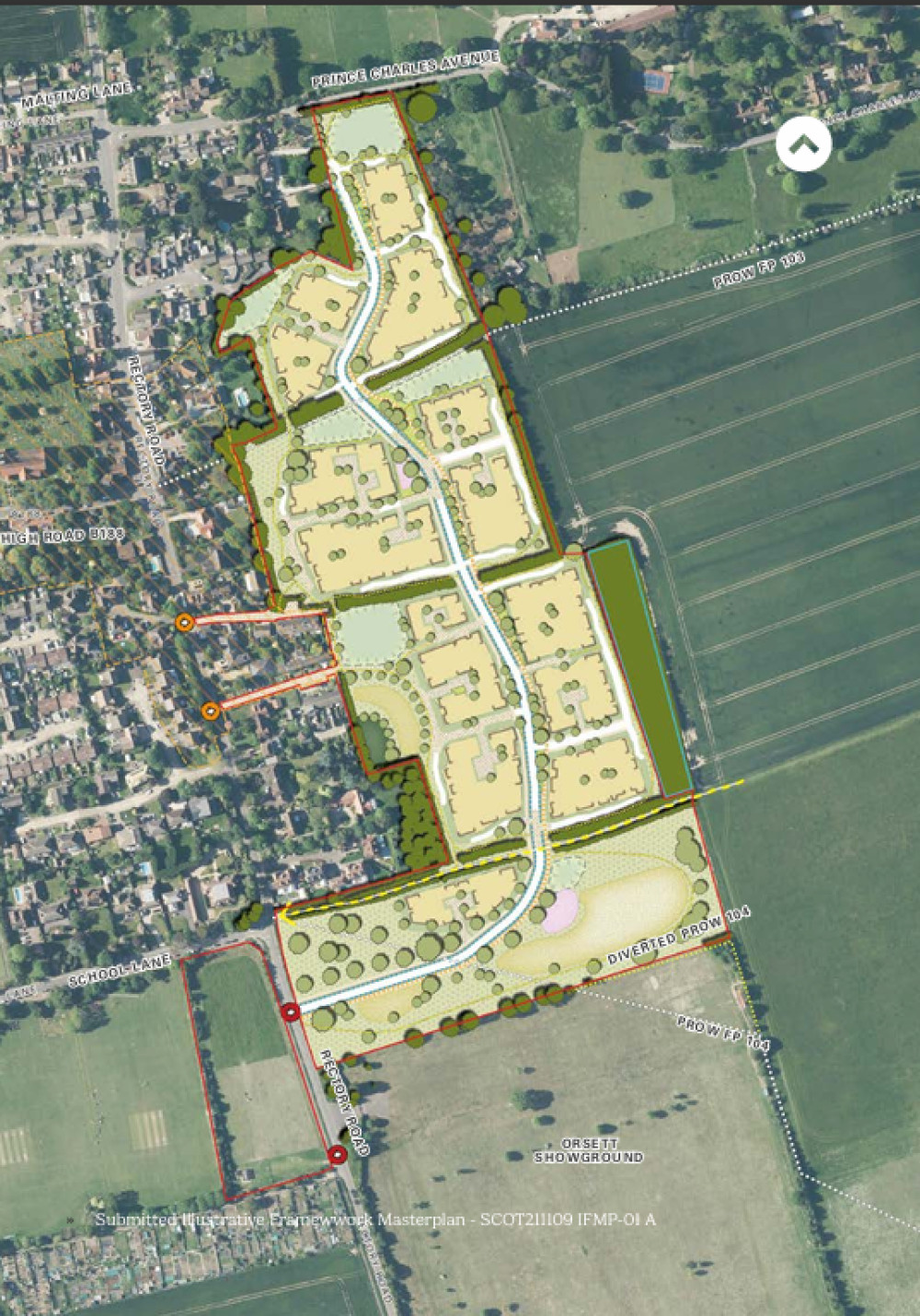

CONTROVERSIAL plans for 187 homes on countryside land near Orsett have been thrown out by councillors despite planning officers recommending approval.
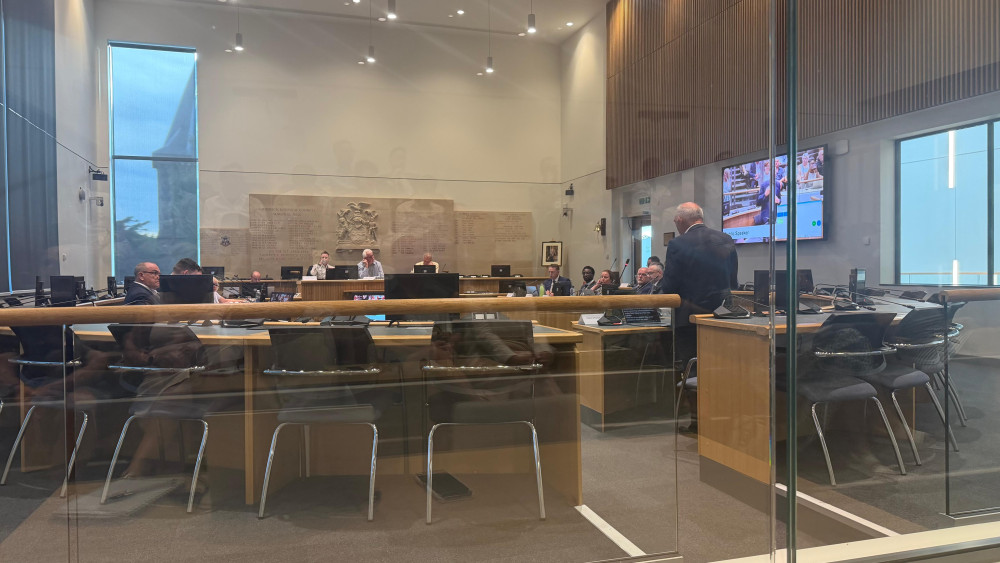
Thurrock Council's planning committee voted to refuse the application for up to 187 homes on land east of Rectory Road. It is the second housing development in Orsett to be rejected recently, despite officer recommendation for approval. In December last year councillors voted 4-3 to reject a bid for 150 homes in the hamlet known as Baker Street. That application is now subject to an appeal to the Planning Inspectorate.
At the planning meeting on Monday (6 July) planning officers had urged members to back the scheme put forward by Colchester-based M Scott Properties Ltd, arguing the site was in a sustainable location with access to local services and public transport. They also highlighted the borough's pressing need for new homes, particularly affordable housing.
However, councillors decided the development would cause unacceptable harm to the countryside setting of Orsett and its historic character.
The proposal attracted strong opposition from residents, local groups and ward councillors, who argued it would represent a significant encroachment into open land on the edge of the village. A number of residents attended the meeting and cheered speakers and applauded the outcome from the public gallery.
Former Orsett councillor and village resident Brian Little told the committee: "This is a bad proposal. It would do much damage and destroy one of the few jewels in Thurrock's community."
He raised concerns about increased traffic, flood risk and the cumulative impact of major infrastructure projects, including the Lower Thames Crossing.

Download our Nub News App!
- It’s FREE and available now- Breaking news notifications
- Your Town in Your Pocket


Another objector, borough businessman and village resident Alan Peaford, speaking on behalf of the Orsett Forum, urged councillors to reject the plans, saying: "Green belt, heritage harm, community planning harm – I would respectfully ask you to refuse this proposal. It is a village that has spirit."
Mr Peaford also said that data associated with the scheme related to biodiversity were incorrect and that a matrix of information didn't function properly, hampering objectors' ability to come up with data. That was denied by the applicants who said there were no issues with the information which could be read clearly and was up to date.
Speaking on behalf of the applicant, Richard Martin argued the proposal met the standards required by the council and should be approved.
"We believe the application has been thoroughly developed and satisfies the high standards expected by the council," he said.
In a debate that followed Cllr Peggy Davies described Orsett as "full of history" and reminded members it has been a designated conservation area since 1975.
Ward councillor Steve Taylor also questioned whether further development on the village outskirts would continue to erode the area's rural character, arguing alternative sites with fewer planning constraints should be considered.
Planning officers acknowledged the scheme would result in some landscape and heritage impacts but concluded these would be outweighed by public benefits, including the delivery of much-needed housing and developer contributions towards healthcare, education and highway improvements. 50 per cent of the dwellings have been described as 'affordable'.
But councillors were unconvinced, voting to refuse planning permission.

That meant they had to create their own recommendation to refuse, something that has proved problematic in previous planning meetings with councillors unable to grasp the rhetoric and technical issues required to creeate a robust recommendation. That happened most notably in the recent rejection of the plan for homes in Butts Lane Stanford, which was deferred twice as councillors were told by planning director Ashley Baldwin that they had to phrase the wording themselves and could not take outside advice.
That prompted Cllr Fuller to say: "It's overdevelopment The points that have been raised around environment, heritage, transport and overdevelopment should be in the recommendation." He also said the fact that proposal was next to a Conservation area should be included.

After that, Mr Baldwin read out two outline statements he had drafted for reasons to refuse recommendation of rejection. He was thanked for doing so by Cllr Cherry and a vote then took place on a recommendation to reject, proposed and seconded by councillors even though no formal recommendations were read out by a councillor. The chair and vice chair will confirm wording after the meeting.
Mr Baldwin effectively damns what happens, in advance, by saying 'ultimately these have to be members' reasons, not mine' - and members did not express reasons in the form of a formal recommendation. They voted on something they had not heard read out by a member.
The council's constitution (Planning committee sections 6 and 7) gives strict guidance on recommendations, which should be put to the meeting orally by a member and be 'in public'. The proposal to reject and the grounds for doing so were attributed to Cllr Fuller, who should have read out the wording to be voted on by members and in sight and hearing of residents.
- Rule 7.2 (a)The mover of the motion should clearly specify or write down the motion including the reasons for departing from the Officer recommendation. Both the reasons and the motion should be put to the Committee orally and in public even if the reasons are tentative. Any such motion must be seconded
That did not happen and appears to be a breach of the strict guidance in the Best Value Inspection report on the council, produced by its commissioners that insists procedure on votes and recommendations must follow the constitution. While the breach could be classified by some as minor, and the spirit of the recommendation was in the air, Mr Baldwin has previously been very strict in saying the exact words had to be read out by the proposer for the recommendation to be legal. To repeat 'ultimately these have to be members' reasons, not mine'.
One 'benefit' of Mr Baldwin's precise intervention with some suggested wording is that the matter could be decided on the night and is not subject to deferment for reconsideration as his words made councillors' thoughts 'clear' not 'tentative'.

- Rule 7.2(c): If the Planning Committee's arguments against the Planning Officer's recommendations are very clear and substantiated and no longer tentative on planning grounds the application shall be determined at the meeting. If not, the application should be deferred to enable the Planning Officer to draft a further report for a subsequent meeting of the Committee.
The full meeting can be viewed via this link.
Download our Nub News App:
- It’s FREE and available now
- Breaking news notifications
- Your Town in Your Pocket

Share: